Pay in installments of $5.30 with
 ,
,
 and
and

Shipping Estimate
USA
- USA
- CAN
- USA
- CAN
Ships within 48 hours · Estimated delivery Jul 3 - Jul 8
 Promo Codes Available:
For Your Every Summer RSVP, with Code: SUMMER15
Description
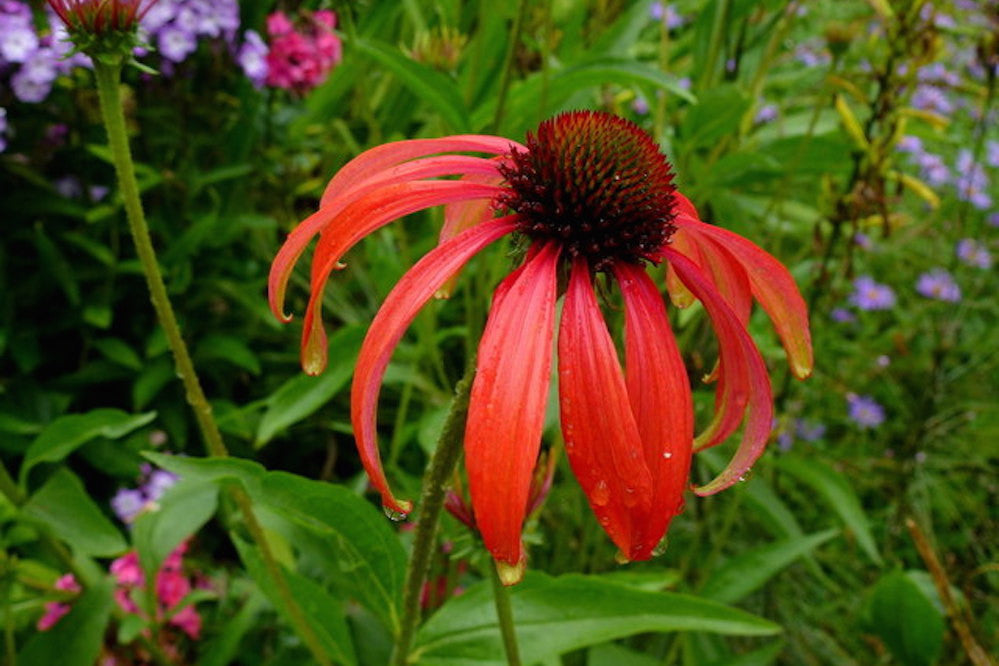
tomato soup echinacea seeds Echinacea 'Tomato Soup' – Ballyrobert GardensAbout this cultivar: Echinacea 'Tomato Soup' is a 2007 introduction from Terra Nova nurseries in Oregon, USA. However it is a new one to us (2013) so we can't say with our usual confidence and experience that it will perform. However you buy this for the colour! So red! So wonderful! 2017 update: this is a poor performer in wet soils and will die if not well drained! thats the risk you take Position: Full sun, partial shade Soil: Almost any soil
About this cultivar:
Echinacea 'Tomato Soup' is a 2007 introduction from Terra Nova nurseries in Oregon, USA. However it is a new one to us (2013) so we can't say with our usual confidence and experience that it will perform. However you buy this for the colour! So red! So wonderful! 2017 update: this is a poor performer in wet soils and will die if not well drained! - thats the risk you take...
- Position: Full sun, partial shade
- Soil: Almost any soil
- Flowers: July, August, September
- Other features:
- Hardiness: H5 - Hardy in most places throughout the UK even in severe winters (-15 to -10°C)
- Habit: Clump forming
- Foliage: Deciduous
- Height: 60 - 90 cm (2 - 3 ft)
- Spread: 45 - 75 cm (1.5 - 2.5 ft)
- Time to full growth: 2 to 5 years
- Plant type: Herbaceous Perennial
- Colour: Green, red
- Goes well with: Aster, Buddleia, Coreopsis, Eucomis, Euphorbia, Geranium, Iris, Kniphofia, Monarda, Phlox, and Salvia
About this genus:
Echinacea is a genus of nine species of herbaceous flowering plants in the daisy family (Asteraceae). The generic name is derived from the Greek word echino, meaning "sea urchin," due to the spiny central disk. The common name is "coneflower". This American native doesn't help with cold symptons! According to Wallace Sampson, MD, its modern day use as a treatment for the common cold began when a Swiss herbal supplement maker was "erroneously told" that echinacea was used for cold prevention by Native American tribes who lived in the area of South Dakota!
The books will say that two things that Echinacea plants do not like are heavy clay soils and poor winter drainage; and you know what? they are right for a change! We have had trouble growing most of them here in our wet clay garden at Ballyrobert - and we have tried many many cultivars over the years. That just leaves us with only a few cultivars which we grow and are confident enough to sell ( see photos if you don't believe us!). These few cultivars we sell (not Echinaceas in general!) should be ok almost anywhere that isn't a pond or in full shade. You can thank us for the the hard work when yours come into flower! We will keep trialing all the new cultivars tho, so watch this space.
Like many genus in the daisy family the flower heads give great structure long after the petals have dropped. Common partner plants are numeros (mostly from the daisy family); Aster, Buddleia, Coreopsis, Eucomis, Euphorbia, Geranium, Iris, Kniphofia, Monarda, Phlox and Salvia/ Although I must say I like them on their own.
Shipping Notes
- Free Standard Shipping on $100+ Orders to the USA.
- Except Preorder products are shipped in 48 hours.
- Delivery to the USA:
- Standard Shipping : 3-10 business days
- If time is of the essence, please consider selecting expedited delivery for faster service.
Exchange/Return Notes
- We offer a 30-day return/exchange service after receiving.
- Final sale items are not eligible for returns or exchanges.
- To process your return/exchange, please contact us at [email protected]
- Please click here for more details>>> Return & Exchange Policy